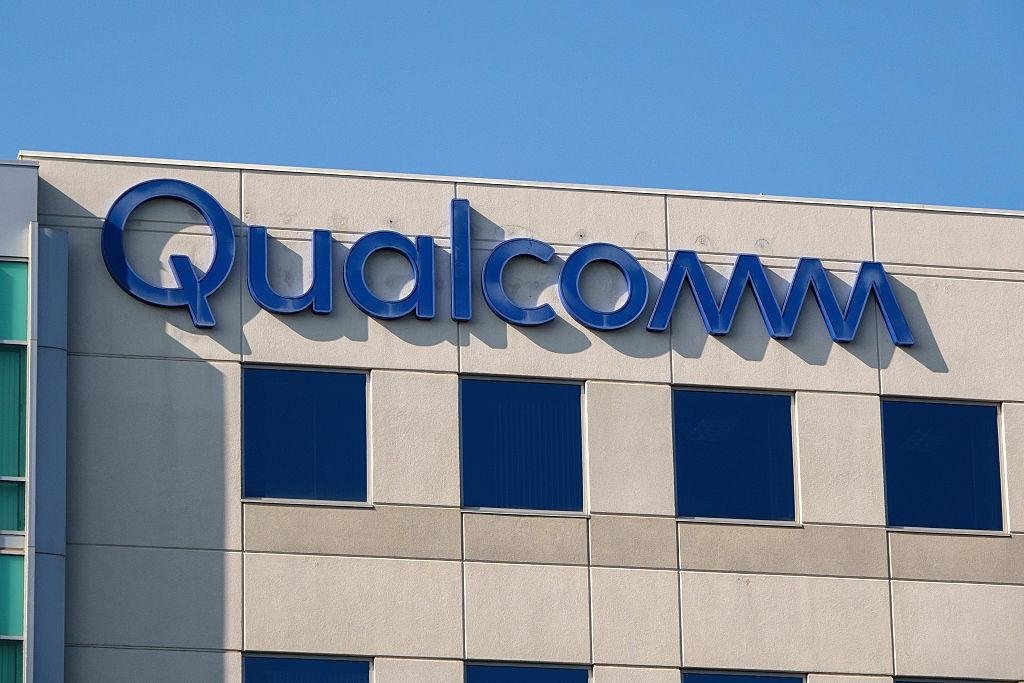
Amazon Deal Gives Qualcomm Major AI Infrastructure Boost
Quick Summary
Qualcomm has secured a major AI chip partnership with Amazon worth up to $60 billion. The agreement covers custom AI inference chips and advanced optical connectivity solutions. Amazon also received warrants worth about $4 billion to purchase Qualcomm shares.
The deal strengthens Qualcomm’s expansion beyond smartphones into data-center infrastructure. Amazon continues growing its custom chip business through AWS, while the partnership could accelerate Qualcomm’s chip development using Amazon’s cloud infrastructure.
Introduction
The Qualcomm Amazon AI chip deal marks an important step into AI infrastructure. Qualcomm said Amazon could purchase up to $60 billion in related products. The agreement focuses mainly on custom chips designed for AI inference workloads. It also includes optical connectivity technology supporting speeds of up to 1.6 terabits per second.
Qualcomm Expands Beyond Smartphones with Amazon Partnership
Qualcomm has increasingly focused on reducing its dependence on smartphones as the industry faces weaker handset demand and rising component costs. Apple’s eventual loss of Qualcomm modem business also creates additional pressure, encouraging the company to pursue new growth opportunities across data-center technology. Qualcomm has also approached major cloud providers for custom AI chip projects as it seeks alternatives to Nvidia’s dominant position.
As part of the agreement, Qualcomm granted Amazon stock warrants worth about $4 billion, which will vest as Amazon purchases Qualcomm products under the partnership. The warrants allow Amazon to purchase Qualcomm shares at $161.26 each, while Qualcomm shares gained more than 3% following the announcement.
Amazon Strengthens Custom AI Chips as Qualcomm Targets $15 Billion Revenue
Amazon has developed custom chips into an important growth driver for AWS, with its custom chip business exceeding a $25 billion annualized revenue run-rate at the end of its June quarter. The latest partnership could strengthen Amazon’s AI infrastructure strategy while giving the company another option beyond traditional AI chip suppliers.
Qualcomm expects its data-center chip business to reach $15 billion by 2029, and the Amazon agreement could support that ambitious revenue target. The company has already attracted major technology companies to its AI infrastructure push, with Amazon joining Microsoft and Meta among Qualcomm’s major customers. These partnerships could help Qualcomm compete more directly with Nvidia in the growing AI chip market.
Optical Connectivity and AWS Support Expand Qualcomm’s AI Strategy
The partnership also includes Qualcomm’s optical communications technology, with solutions capable of supporting connectivity speeds reaching 1.6 terabits per second. High-speed connectivity has become increasingly important for expanding AI data centers, giving Qualcomm another growth opportunity beyond conventional chip development.
Qualcomm also plans to increase its use of AWS services and infrastructure for chip design workloads. This approach could help shorten development cycles for new semiconductor products while strengthening the broader technology relationship between both companies.
Competition Intensifies Across Custom AI Chips
The latest agreement highlights growing competition in custom AI semiconductor development, with major cloud providers seeking alternatives to Nvidia’s technology. Marvell recently announced a similar deal involving Google, which included a stock warrant valued at $12.2 billion. Custom AI chips are becoming increasingly important as technology companies build larger and more specialized data-center infrastructure.
Analyst Sees Stronger Confidence in Qualcomm
Analyst Bob O’Donnell said the agreement reassures investors about Qualcomm’s ambitions in the data-center market. He also highlighted Qualcomm’s broad semiconductor technology portfolio and its ability to serve large cloud customers. The partnership could strengthen market confidence in Qualcomm’s long-term data-center strategy while supporting its expansion beyond smartphones.
FAQs
What does the Qualcomm Amazon AI chip deal involve?
The agreement covers up to $60 billion in Qualcomm AI chips and related products, including custom inference chips and optical connectivity technology for advanced data-center infrastructure.
How much are Amazon’s Qualcomm stock warrants worth?
Amazon received Qualcomm stock warrants valued at about $4 billion, allowing it to purchase Qualcomm shares at a strike price of $161.26 as product purchases under the partnership increase.
Why is Qualcomm expanding into AI data centers?
Qualcomm wants to reduce its smartphone dependence while capturing growing demand for custom AI chips, data-center technology, and high-speed connectivity solutions from major cloud providers.
How much data-center revenue does Qualcomm expect by 2029?
Qualcomm expects its data-center chip business to generate approximately $15 billion in annual revenue by 2029, supported by growing demand for AI infrastructure and custom semiconductor solutions.
How does Amazon benefit from the partnership?
Amazon gains access to Qualcomm’s custom AI and connectivity technologies while strengthening its expanding AWS chip ecosystem and increasing its options for developing advanced AI infrastructure.
Key Takeaways
- Qualcomm and Amazon announced a potential $60 billion AI chip partnership.
- Amazon received Qualcomm stock warrants valued at approximately $4 billion.
- The deal covers AI inference chips and optical connectivity solutions.
- Qualcomm expects data-center chip revenue to reach $15 billion by 2029.
- Amazon’s custom chip business already exceeds a $25 billion annualized run-rate.
Conclusion
The Qualcomm Amazon AI chip deal strengthens both companies’ AI infrastructure ambitions and creates new opportunities across the growing data-center market. For Qualcomm, the partnership provides a major opportunity beyond smartphones and supports its long-term semiconductor expansion.
For Amazon, it expands options for powering its growing AI ecosystem through custom chips and advanced connectivity. The agreement also highlights intensifying competition in custom AI semiconductors as major technology companies seek stronger alternatives to Nvidia.

 Magazine
 info@luminarytimes.com
 +1-8308642693