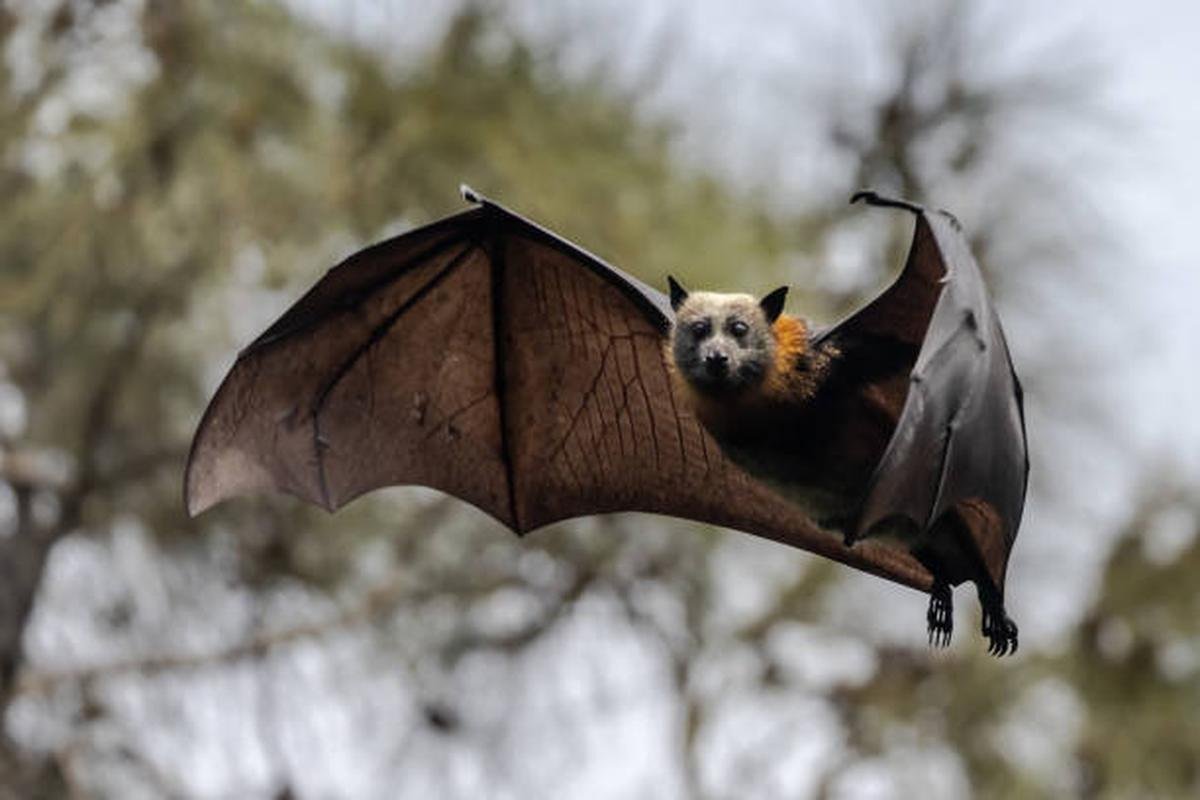
Study Traces Bat Evolutionary History to Europe after Dinosaurs Vanished
Quick Summary
A major study has reconstructed bat evolutionary history using genomes and ancient fossils. Researchers analyzed 103 bat species representing all 21 recognized bat families worldwide. They also examined 44 fossil bats to build a detailed evolutionary family tree. The findings suggest bats originated in Europe around 65 million years ago.
This timing places their emergence shortly after the asteroid-driven dinosaur extinction. Researchers also found that flight and echolocation appeared extremely early. Today, more than 1,500 bat species occupy diverse ecosystems across the world.
Introduction
Bats may have started their evolutionary journey in Europe around 65 million years ago. A new study combines extensive genomic evidence with fossil discoveries to trace their origins. The findings provide fresh insights into one of evolution’s most unusual mammalian groups. Earlier theories suggested Africa, Asia, or North America as possible origins.
However, the new evidence points toward Europe during the late-Palaeocene period. This period followed the mass extinction that eliminated non-avian dinosaurs. Mammals then expanded into ecological spaces previously occupied by other animals.
Bat Evolution Reveals a European Origin
Researchers analyzed high-quality genomes from 103 bat species during the study. These species represent all 21 recognized bat families found across the world. The team then compared genetic evidence with 44 fossil bat specimens. Together, these datasets helped researchers reconstruct a detailed evolutionary family tree.
Their findings place bat origins in Europe around 65 million years ago. That date falls roughly one million years after the dinosaur extinction. Scientists believe changing ecosystems created new opportunities for early mammals. Bats may have exploited these opportunities through flight and nocturnal behavior.
Flight and Echolocation Shaped Early Bat Evolution
The study also examined two defining abilities that transformed bat evolution, flight and echolocation. Researchers found evidence suggesting echolocation developed near the beginning of bat evolution. The oldest known bat fossils already show features linked with both abilities. However, scientists still cannot determine which ability evolved first.
Older transitional fossils could eventually provide evidence about this evolutionary sequence. Researchers particularly want fossils showing stages before fully developed bat anatomy. Such discoveries could explain how terrestrial mammals gradually developed specialized flying adaptations.
Bat Genomes Reveal Evolutionary Clues
The extensive genomic dataset also revealed important information about bat chromosome evolution. Researchers reconstructed an ancestral bat genome containing 26 chromosome structures. Modern bat genomes largely developed through chromosome fusions over millions of years.
This genomic evidence strengthens scientists’ understanding of relationships among bat groups. It also creates valuable resources for studying unusual bat biological traits. Researchers can now investigate genetic features linked with longevity and disease resistance. These findings could eventually contribute to broader research involving human health.
Why Bat Evolution Matters Today
Bats currently represent more than one-fifth of recognized mammal species worldwide. They perform essential ecological roles through pollination, seed dispersal, and insect control. Many species consume enormous quantities of insects during their nightly activities.
Others feed on fruit, nectar, fish, or blood depending on their adaptations. Some bat species also demonstrate remarkable resistance to several diseases. Several species live unusually long lives compared with mammals of similar size. Therefore, bat genomes could help researchers investigate ageing and immune responses.
FAQs
1. When Did Bats First Evolve On Earth?
Researchers estimate that bats originated around 65 million years ago, shortly after the dinosaur extinction event.
2. Where Did Bats Originate According To The Latest Study?
The study identifies Europe as the likely birthplace of bats, challenging earlier theories involving Africa, Asia, and North America.
3. How Many Bat Species Exist Worldwide Today?
More than 1,500 bat species live worldwide, showing remarkable diversity in their sizes, diets, habitats, and ecological roles.
4. Did Flight Or Echolocation Evolve First In Bats?
Scientists cannot establish which ability evolved first because the oldest bat fossils show adaptations linked with both abilities.
5. Why Is Bat Genome Research Important For Human Health?
Bat genomes could reveal genetic mechanisms behind longevity, immunity, and disease resistance, potentially supporting future human health research.
Key Takeaways
- Bat evolutionary history may begin in Europe around 65 million years ago.
- Researchers combined genomes from 103 species with evidence from 44 fossils.
- Flight and echolocation appear extremely early within the bat evolutionary timeline.
- Modern bat genomes reflect extensive chromosome changes across evolutionary history.
- Bat genetics could support future research into ageing and disease resistance.
Conclusion
This study provides a clearer picture of bat evolutionary history than earlier research. Its combined genomic and fossil evidence challenges several previous theories about bat origins. Europe now emerges as the likely location for their early evolutionary development.
The findings also highlight flight and echolocation as crucial evolutionary developments. As researchers discover older fossils, additional answers may emerge about bat origins. For now, bats remain one of evolution’s most remarkable mammalian success stories.

 Magazine
 info@luminarytimes.com
 +1-8308642693