Fresh Lunar Farside Samples Question the Long-Held Late Heavy Bombardment Theory and Suggest a Longer Impact Timeline
Quick Summary
China’s Chang’e-6 mission returned the first lunar farside rock samples in 2024. Scientists analyzed impact melt rocks and discovered ages spanning more than three billion years. The findings challenge the famous Late Heavy Bombardment theory, which has shaped lunar research for decades.
Researchers now believe the moon may have experienced steady impacts across a much longer period. Even so, experts continue seeking additional lunar samples before reaching a final conclusion.
Introduction
Chang’e-6 moon rocks have sparked a fresh debate about the moon’s ancient history. Scientists studied the first-ever lunar farside samples returned to Earth. These remarkable rocks preserve valuable clues from the solar system’s earliest days.
Their findings could reshape how researchers understand billions of years of lunar evolution. The research questions the long-accepted Late Heavy Bombardment theory. The new evidence points toward a longer and steadier period of impacts across the moon’s surface.
Chang’e-6 Moon Rocks Reveal a Different Lunar History
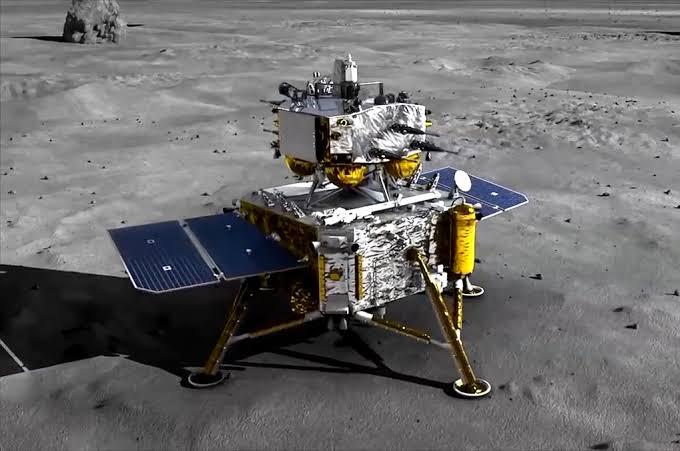
China’s Chang’e-6 spacecraft collected lunar farside samples during its historic 2024 mission. Scientists recently examined 28 pieces of impact melt rocks, which once melted during powerful collisions. After cooling, these rocks preserved important geological records from ancient lunar events.
Researchers measured argon isotopes inside the rocks to estimate when they last melted. The dates ranged from 4.33 billion years to 1.13 billion years. Notably, the samples showed no major concentration of ages around 3.9 billion years.
Late Heavy Bombardment Theory Faces Fresh Questions
Scientists long believed the moon experienced a sudden surge of asteroid impacts about 3.9 billion years ago. They named this event the Late Heavy Bombardment, and Apollo and Luna mission samples strongly supported this theory for several decades.
However, those missions collected rocks only from the lunar nearside, which limited scientists’ understanding of the moon’s complete impact history. Many experts now believe one enormous impact influenced several of those collected samples. That massive collision created Mare Imbrium about 3.92 billion years ago. Many researchers now suggest that several earlier rock ages may represent this single giant impact rather than multiple separate impact events across the moon.
Lunar Farside Samples Support a Longer Impact Timeline
The Chang’e-6 samples came from the Apollo Basin on the lunar farside. This region remained largely untouched by debris from the Mare Imbrium impact. Scientists gained a clearer and less biased picture of the moon’s geological history through these samples.
The broad range of rock ages suggests the moon experienced repeated impacts across billions of years. The findings support the idea of a gradual impact history rather than one brief catastrophic period.
Scientists Continue Debating the Chang’e-6 Moon Rocks
Several experts welcomed the findings with cautious optimism and agreed the new dates appeared reliable. At the same time, they emphasized the need for additional samples from different lunar regions before reaching firm conclusions.
Some researchers also questioned whether every studied rock formed during an impact event. They suggested volcanic cooling could explain certain samples. Scientists continue examining the evidence carefully before changing long-standing theories. Even so, many researchers now believe the traditional Late Heavy Bombardment model deserves serious reconsideration.
FAQs
1. What are Chang’e-6 moon rocks?
Chang’e-6 moon rocks are the first samples collected from the moon’s farside. China’s Chang’e-6 mission returned them to Earth in 2024. Scientists study these rocks to understand the moon’s ancient geological history and the timing of major impact events.
2. What is the Late Heavy Bombardment theory?
The Late Heavy Bombardment theory suggests the moon and several planets experienced a sharp rise in asteroid impacts around 3.9 billion years ago. Scientists have debated this idea for years because newer evidence now suggests a different impact timeline.
3. Why are lunar farside samples important?
Lunar farside samples come from regions that remained largely unaffected by major nearside impacts. They provide a clearer record of the moon’s early history and help scientists compare ancient impact events with greater accuracy.
4. How did scientists determine the ages of the rocks?
Researchers measured argon isotope ratios inside the lunar rocks. This dating method estimates when the rocks last melted and cooled, allowing scientists to identify the timing of ancient impact events with greater confidence.
5. Has the Late Heavy Bombardment theory been disproved?
No. Scientists have not completely rejected the theory. The Chang’e-6 findings raise important questions and support the possibility of a longer, gradual period of impacts rather than one major spike around 3.9 billion years ago.
Key Takeaways
- Chang’e-6 returned the first-ever lunar farside rock samples.
- Rock ages range from 4.33 billion to 1.13 billion years.
- The new samples challenge the classic Late Heavy Bombardment theory.
- Scientists suggest the moon experienced repeated impacts over billions of years.
- Researchers still need additional lunar samples to confirm these findings.
Conclusion
The Chang’e-6 moon rocks have reopened one of planetary science’s biggest debates. The new evidence suggests the moon followed a longer impact history than scientists previously believed.
Researchers continue examining fresh lunar samples while testing competing theories. These remarkable discoveries could reshape our understanding of the moon and the early solar system for years to come.

 Magazine
 info@luminarytimes.com
 +1-8308642693