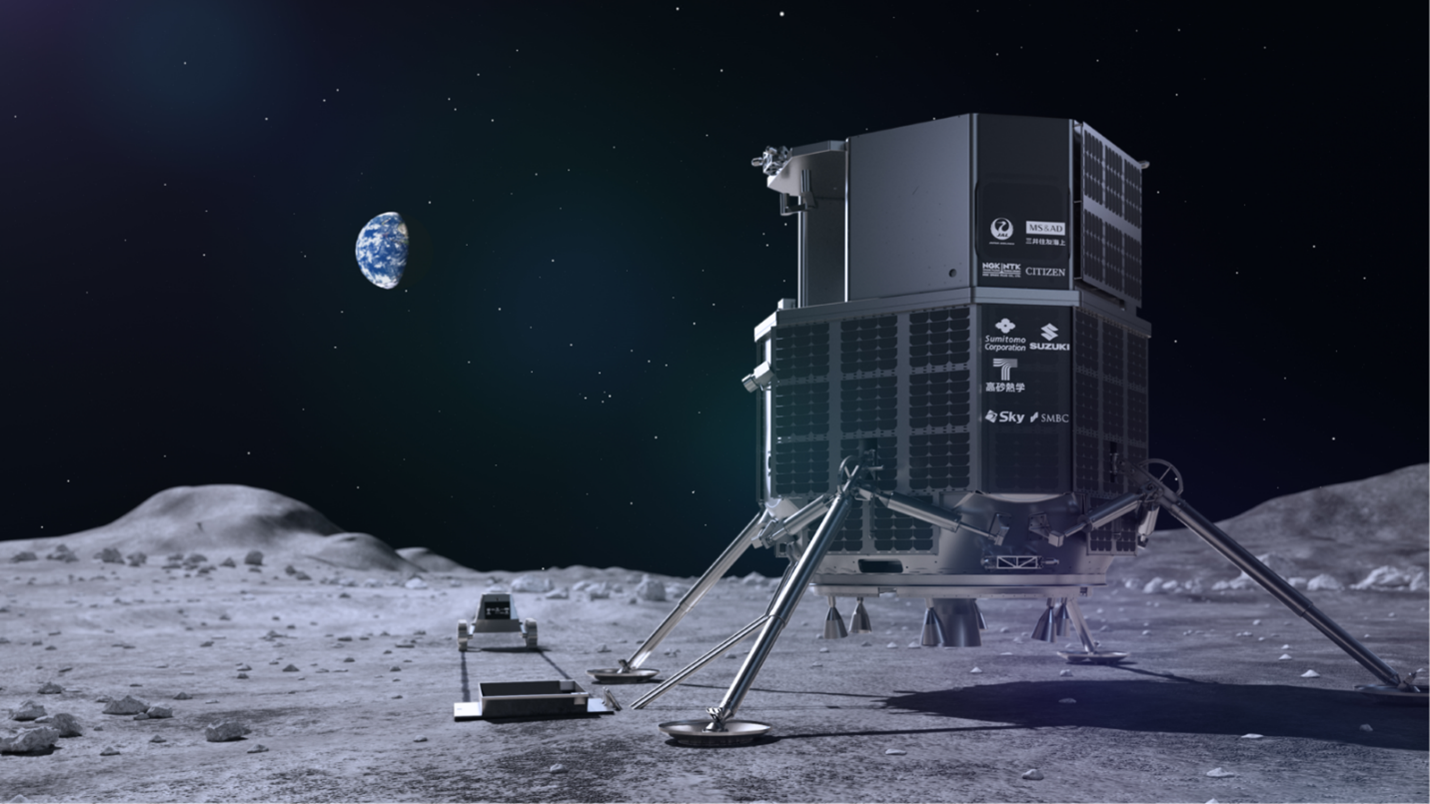
New ispace SpaceX Starship Lunar Cargo Service Launches Low-Cost Missions
Quick Summary
Japanese firm ispace bought payload space on a future SpaceX Starship. They will offer affordable shared trips to the moon. This initiative opens new market possibilities for global commercial clients.
The newly developed integrator system creates an efficient lunar transport network. It allows independent entities to bypass complex logistics and high launch expenses. Commercial entities can now easily book lunar real estate for scientific instruments.
Introduction
Japanese moon transport company ispace recently booked a major deal with Elon Musk’s company. Specifically, the brand-new ispace SpaceX Starship lunar cargo service will lower space mission costs.
This exciting partnership will accelerate international commercial infrastructure development on the lunar surface.
Shared Journeys to the Moon
The Tokyo-based company purchased 500 kilograms of capacity for $50 million. They will build a unique lunar vehicle to host global client payloads. This heavy rocket will land on the moon as early as 2030.
The new service acts as an accessible bus for smaller payloads. Clients can book space to transport scientific instruments easily and cheaply. This collaborative model fundamentally changes how countries approach lunar exploration and research.
Expanding Commercial Space Alliances
The firm utilized smaller Falcon 9 rockets for its past touchdown attempts. Those previous attempts in 2023 and 2025 unfortunately failed to land safely. Now this massive Starship vehicle provides a faster path to market growth.
Other aerospace companies have already booked similar future transport flights with SpaceX. NASA also plans to use this exact system for its Artemis program. This shared technology pushes the boundaries of modern deep space travel.
Deploying Next-Generation Ultra Landers
Engineering teams are currently designing the unified Ultra lander model to maximize mission success. This advanced robotic vehicle integrates engineering expertise from both Japanese and American technical sectors. The strategic vehicle design replaces older propulsion systems with high-reliability alternative engines.
Engineers expect these spacecraft to touch down safely by the end of the decade. The newly streamlined architecture ensures maximum efficiency for carrying delicate customer payloads. Global clients will gain highly stable power connections directly on the lunar terrain.
FAQs
What is the main goal of this new agreement?
The partnership creates an affordable ride-share system for global customers. Smaller firms can easily send equipment to the lunar surface. This setup reduces financial barriers significantly.
How much payload capacity did the company secure?
The firm purchased 500 kilograms of space. They paid $50 million for this specific capacity. This deal allows flexible cargo management.
When will this lunar mission officially launch?
The heavy rocket will land on the moon as soon as 2030. Meanwhile, engineers will prepare the vehicle. This timeline gives ample development time.
Why did they switch from Falcon 9 rockets?
Starship offers much larger capacity. The massive spaceship can eventually travel to Mars. This capability completely changes long-term space exploration.
Is this flight agreement exclusive to one company?
No, the flight arrangement is entirely non-exclusive. For example, NASA will also use this rocket. Other startups plan similar missions soon.
Key Takeaways
- The firm secured a $50 million ride-share agreement to lower launch expenses.
- Clients can share cargo space to reduce total costs on shared vehicles.
- The planned lunar mission will fly by 2030 using heavy machinery.
- Starship enables much faster infrastructure growth than before across the industry.
- Other major aerospace agencies also utilize this vessel for exploration goals.
Conclusion
Ultimately, this alliance transforms commercial deep space logistics. International clients will soon access the moon efficiently and affordably. Private firms gain massive advantages by using established, reusable rocket systems.
This structural shift drastically lowers the barrier to entry for smaller developing nations. Continuous lunar operations will establish a permanent presence on the celestial surface.

 Magazine
 info@luminarytimes.com
 +1-8308642693